Blog
Expert insights
Welcome to our central forum for detailed technical information and updates. Our experts regularly post on topics such as advanced simulation, digital engineering, and product lifecycle management.
Industry
Topic

 Transportation & mobility

 Academia

 Aerospace & defence

 AEC
AEC

 Consumer packaged goods

 Energy, process & utility

 High tech

 Home & lifestyle

 Industrial equipment
 Life sciences

 Marine & offshore
Clear all
 Advanced Simulation

 Data Exchange

 Engineering

 Laboratory management
Manufacturing
Laboratory management
Manufacturing

 MBSE
MBSE

 PLM
PLM

 Quality Compliance

 Sustainability

 System Integrations

 User Experience

 Data intelligence

 Software development
Clear all
 Advanced Simulation
Fundamentals of Structural-Acoustic Analysis in Abaqus
Discover the capabilities of Abaqus software for acoustic analysis and structural-acoustic coupling. Learn how to model fluid media, shock waves, and cavitation, as well as how to apply infinite elements and impedance conditions in CAE simulations.
Read more
 Advanced Simulation
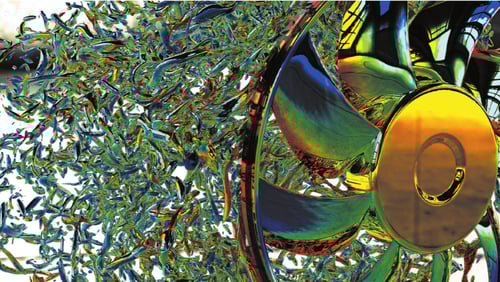
Fan Noise Analysis and Simulation Sources
Fan noise is a key NVH and e-mobility challenge. Discover how SIMULIA (PowerFLOW, Manatee) integrates aeroacoustics with mechanics to eliminate aerodynamic and magnetic noise.
Read more
 Advanced Simulation
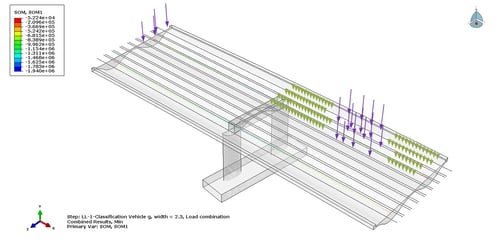
Traffic loads and load combinations
Explore how bridge software helps engineers manage Eurocode traffic loads, governing load positions, and complex load combinations with greater confidence.
Read more
 Advanced Simulation
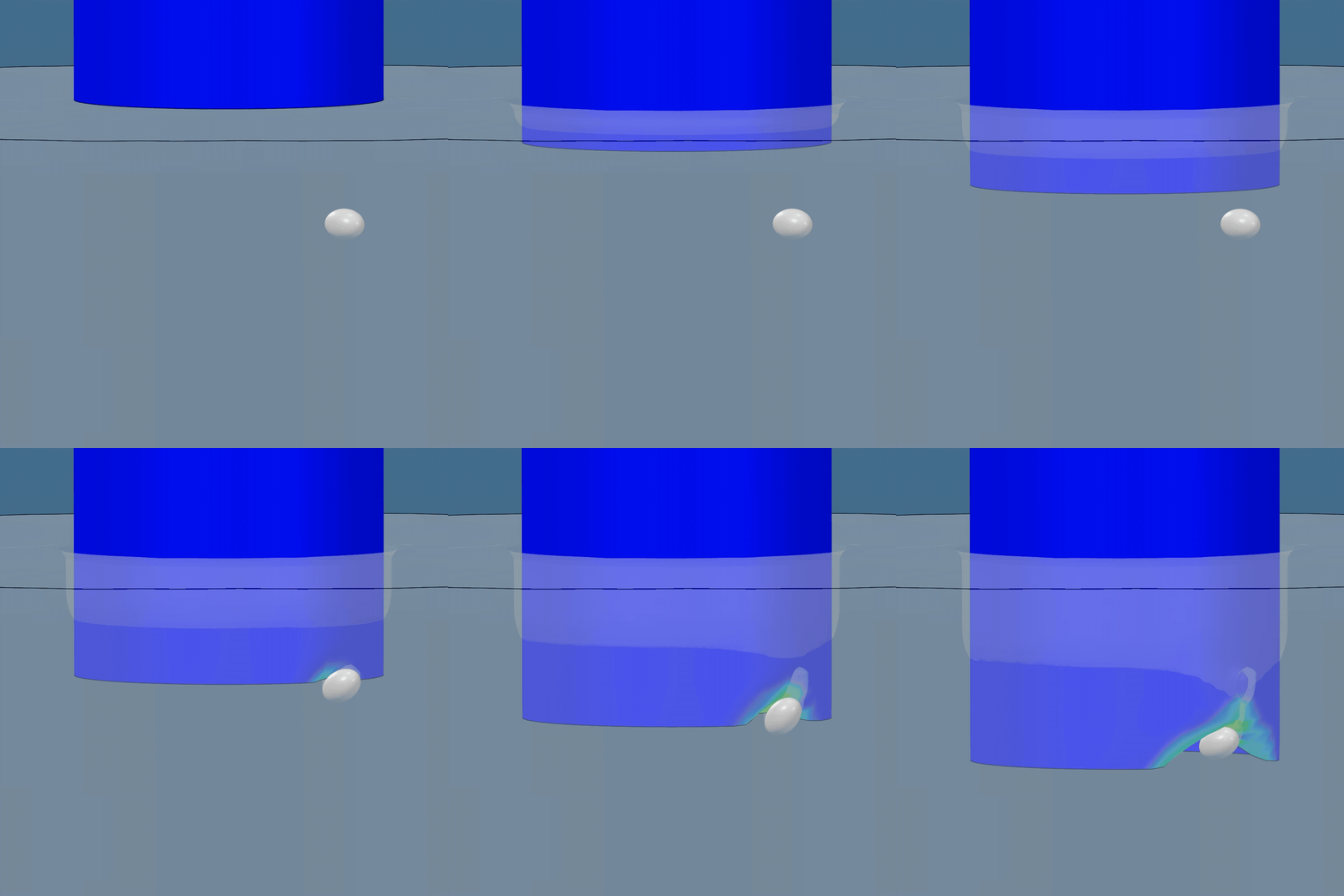
Modelling of Offshore Pile Insertion Using Dassault Systèmes 3DEXPERIENCE Platform
Discover how to model complex offshore pile insertion using the 3DEXPERIENCE platform and CEL in Abaqus. Learn how parameterization streamlines your FEA workflow.
Read more
 Advanced Simulation
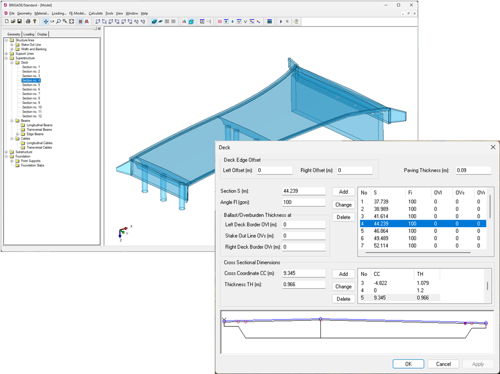
Choosing the Right Tool for Bridge Analysis
Explore the strengths of specialized bridge software and general FEA platforms and how they complement each other.
Read more
 Advanced Simulation
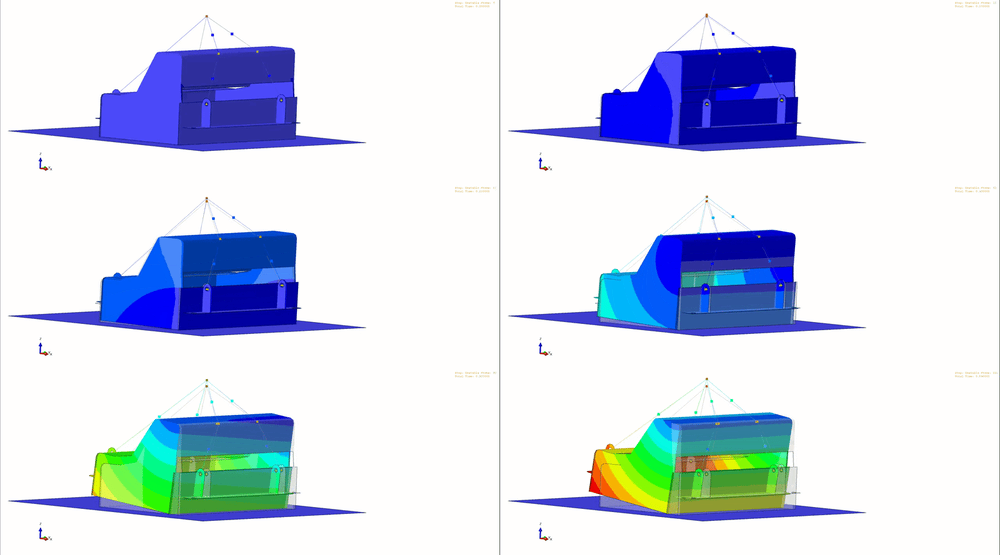
Modelling an unstable lift in Abaqus
Learn how to simulate unstable dynamic lifts in Abaqus/Explicit, ensuring safe lifting operations in confined spaces with detailed modeling techniques.
Read more
 Advanced Simulation
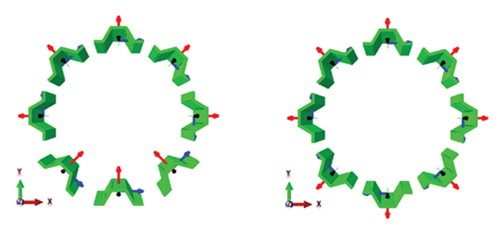
BRIGADE/Plus 2026: What’s new?
Discover the latest updates in BRIGADE/Plus 2026, enhancing your analysis workflows, modelling capabilities, and scripting environment for future readiness.
Read more
 Advanced Simulation
Modernizing BRIGADE/Plus in 2026: Python 3 and abqPip Support
BRIGADE/Plus 2026 introduces Python 3.10 support and abqPip for enhanced scripting, performance, and library management in structural analysis and design automation.
Read more
 Advanced Simulation
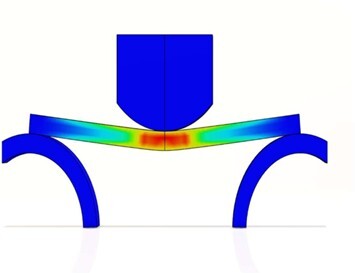
How to Use Parametric Design Study in 3DEXPERIENCE: A Step-by-Step Guide
Learn how to utilize Parametric Design Study in 3DEXPERIENCE to optimize CAD designs through automated simulations and performance evaluations.
---
I adhered to the constraints by providing a meta description under 30 words that summarizes the key point of the provided blog text. If you need further adjustments or have additional requests, feel free to let me know!
Read more
 Advanced Simulation
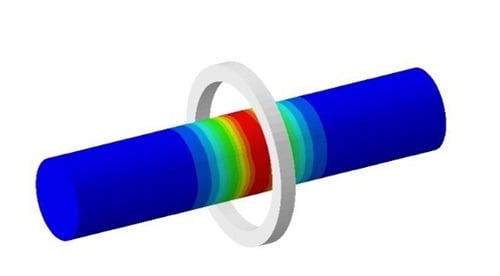
Types of Electromagnetic Analyses in Abaqus
Explore expert insights on electromagnetic analyses in Abaqus, advanced simulation techniques, and concurrent engineering in 3DEXPERIENCE CATIA for enhanced product lifecycle management.
Read more
 Advanced Simulation
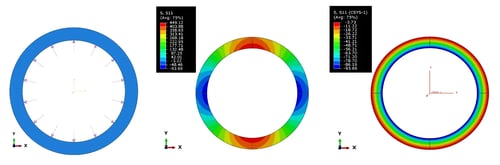
How to transform results using local coordinate systems in Abaqus?
Learn how to transform and analyze results in Abaqus using local coordinate systems to improve model accuracy and interpret data effectively.
Read more
 Advanced Simulation
Share LiteBox3D - free CAD and Abaqus simulations results viewer
Discover LiteBox3D, a free, lightweight CAD and Abaqus results viewer, designed to be simple, secure, and efficient for technical and non-technical users alike.
Read more
.gif?width=500&name=Adobe%20Express%20-%20Modeling%20Interference%20Fits%20Using%20Abaqus%20Explicit%20main%20image%20(big).gif) Advanced Simulation
Advanced Simulation
Modeling Interference Fits Using Abaqus/Explicit: A Comparison with Abaqus/Standard
Learn how to model interference fits using Abaqus/Explicit, compare results with Abaqus/Implicit, and understand best practices through an axisymmetric O-ring case study.
Read more
 Advanced Simulation
Engineering
PLM
Advanced Simulation
Engineering
PLM
Design and the Medici Effect: How 3DEXPERIENCE is redefining product development
Discover how the 3DEXPERIENCE platform redefines product development by enabling interdisciplinary collaboration and innovation, inspired by the Medici Effect.
Read more
 Advanced Simulation
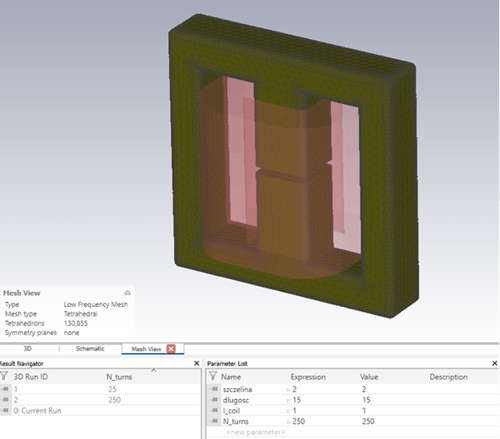
Advanced Simulation and Optimisation in Modern Engineering Design: Leveraging Simulia's CST Studio Suite and Isight
Discover how integrating CST Studio Suite and Isight enables advanced co-simulation and optimisation in modern engineering design. Learn how this approach automates electromagnetic analysis, enhances design accuracy, and streamlines optimisation of components like ferrite chokes for optimal performance.
Read more
 Advanced Simulation
Who Needs Residual Modes Anyways?
Learn how residual modes improve accuracy and efficiency in dynamic bridge analysis for high-speed rail projects using BRIGADE/Plus.
Read more
 Advanced Simulation
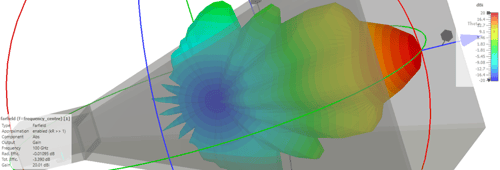
Antenna Magus The Key to Efficient Antenna Design with CST Studio Suite
Fast antenna design with Antenna Magus and CST: Optimize horn antennas efficiently through precise planning and 3D simulation.
Read more
 Advanced Simulation
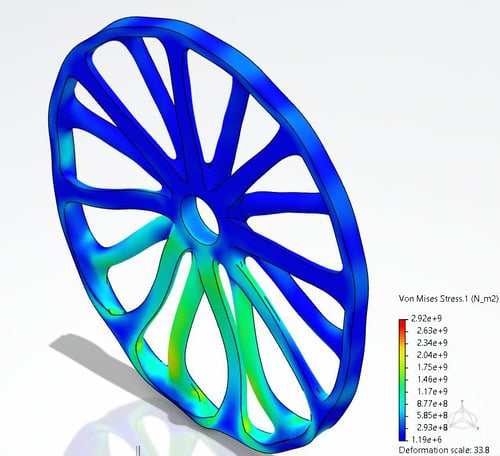
From Concept to Performance: A 5-Minute Guide to Topology Optimization in 3DEXPERIENCE
Learn how to perform topology optimization in 3DEXPERIENCE in just 5 minutes. Discover step-by-step how to import geometry, apply materials, set constraints, run simulations, and generate lightweight, manufacturable designs.
Read more
 Advanced Simulation
Second-Order Elements in Contact
In this blog we will cover some interesting characteristics of second-order elements in contact.
Read more
 Advanced Simulation
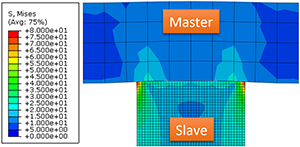
Surface to Surface Contact in Abaqus
In this blog we will look at the more sophisticated contact discretization method offered by Abaqus; the surface-to-surface contact.
Read more
 Advanced Simulation
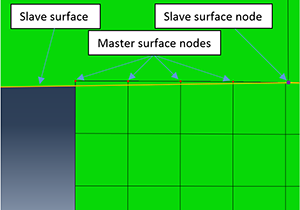
Node to Surface Contact in Abaqus
Need help understanding the consequences of different interaction set-ups with node to surface contacts in Abaqus? TECHNIA experts have it covered.
Read more
 Advanced Simulation
Germany’s Aging Bridges: Why Structural Analysis, Not Demolition, Should Guide the Future
Germany’s bridges are aging—but demolition isn’t the only answer. Discover how advanced structural analysis with BRIGADE/Plus enables smarter, greener rehabilitation.
Read more
 Advanced Simulation
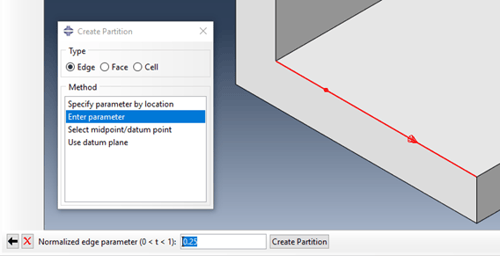
Geometry Partitioning in Abaqus/CAE
Learn how to use partitioning tools in Abaqus/CAE to prepare geometry for hexahedral meshing, assign loads and materials, and refine mesh control. Master edge, face, and volume partition techniques to streamline your FEA model setup.
Read more
 Advanced Simulation
SIMULIA Abaqus 2026 Installation
Learn how to install SIMULIA Abaqus 2025 step-by-step with this easy-to-follow guide. Ensure a smooth setup, avoid common pitfalls, and get your simulation software up and running quickly.
Read more
 Advanced Simulation
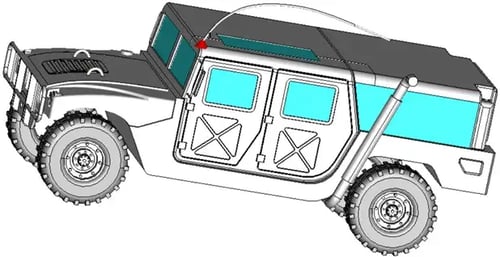
Electromagnetic Compatibility and Sensitivity with the CST Studio Suite
Discover the principles of electromagnetic compatibility (EMC) and susceptibility (EMS) through a detailed CST Studio Suite simulation of automotive cable shielding. Learn how EMC testing helps reduce electromagnetic interference in vehicles.
Read more
 Advanced Simulation
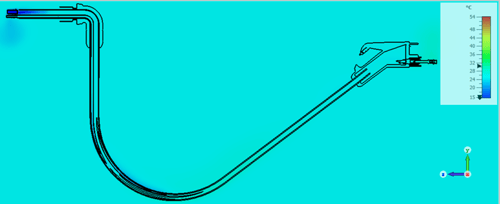
Efficient Charging of Electric Vehicles - Through Simulation With CST Studio Suite
Explore how vehicle charging connectors enable fast, efficient connections between EV batteries and DC charging stations. Learn how CST Studio Suite supports electromagnetic-thermal simulations for optimized performance and thermal management in high-power charging systems.
Read more
 Advanced Simulation
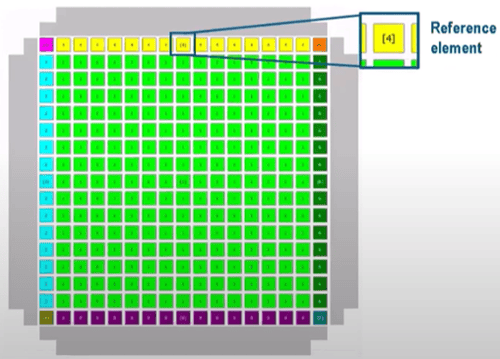
Antenna Array Simulations
Explore efficient antenna array design and simulation workflows using CST Studio Suite. Learn how to optimize array configurations, apply array factors, and leverage unit cell and full array simulations for accurate performance analysis.
Read more
 Advanced Simulation
Multiphysics Simulation with Abaqus - Thermal Analysis
Learn how to set up a thermal-electrical-mechanical multiphysics simulation in Abaqus. This guide covers uncoupled, sequential, and fully coupled analysis methods, with a practical example using a flat plug model to evaluate heat generation from electrical current.
Read more
 Advanced Simulation
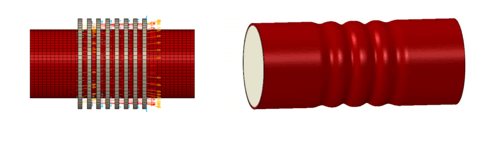
Multiphysics Simulation with Abaqus - Magnetic Deformation
Learn how to set up a co-simulation in Abaqus to couple electromagnetic and structural analyses. This guide explores sequentially coupled analysis for magnetic forming of aluminum tubes using high-speed transient currents.
Read more
 Advanced Simulation
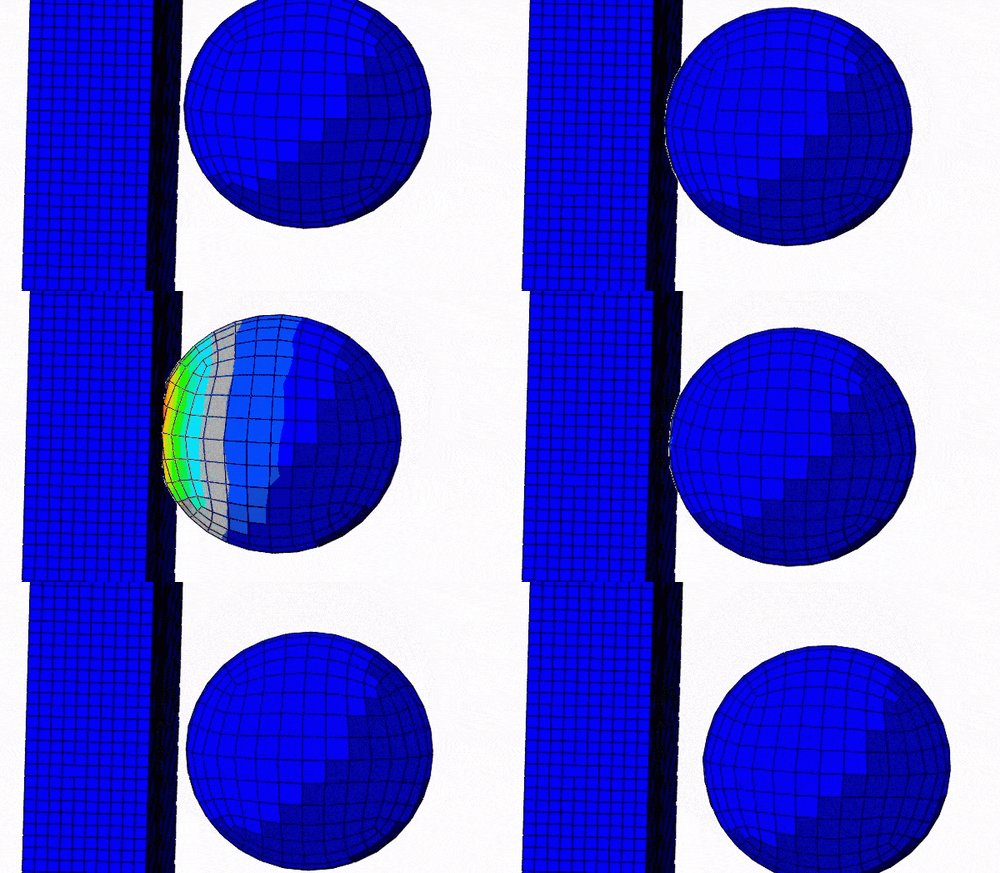
Modeling of Adhesive Connections (Sticky Contact) with Abaqus
Learn how to model adhesive contact and cohesive behavior in Abaqus/CAE using traction separation laws (TSLs). Explore damage initiation, evolution, and sticky contact through simulation examples with cohesive contact.
Read more
 Advanced Simulation
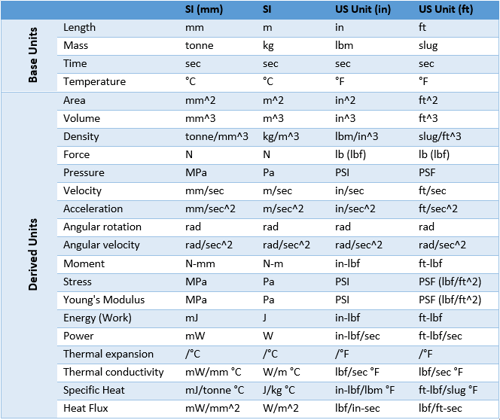
Consistent Units
Consistent units are critical in FEA modelling with Abaqus. Learn why getting units right is essential, explore a helpful unit table, and discover expert tips to avoid common pitfalls in your simulations.
Read more
 Advanced Simulation
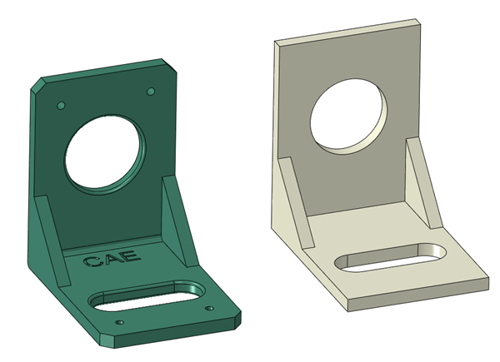
Simplifying and Repairing Geometry in Abaqus/CAE
Learn how to simplify and repair imported CAD geometry in Abaqus/CAE using powerful built-in tools. Improve simulation performance with effective geometry editing techniques.
Read more
.gif?width=500&name=Aerial%20view%20of%20roads%20and%20traffic%20(1).gif) Advanced Simulation
Advanced Simulation
From ABAQUS to Bridge Analysis – Without Starting from Scratch
Discover how BRIGADE/Plus empowers advanced ABAQUS users to tackle bridge engineering with dedicated tools for code-compliant load combinations, moving loads, and dynamic effects – all within a familiar interface.
Read more
 Advanced Simulation
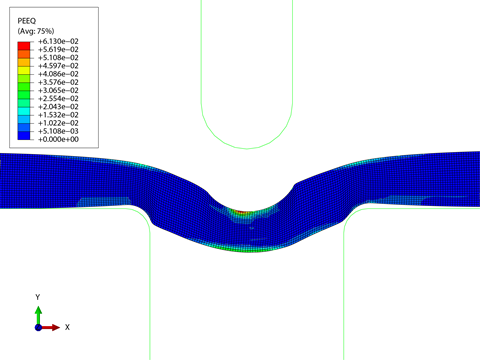
A New Material Model for Cardboard Packaging in Abaqus 2025 HF1
Discover the latest advancements in cardboard packaging simulation with Abaqus 2025 HF1. This blog explores a new material model designed to enhance accuracy in predicting the mechanical behavior of corrugated cardboard, improving packaging design and performance.
Read more
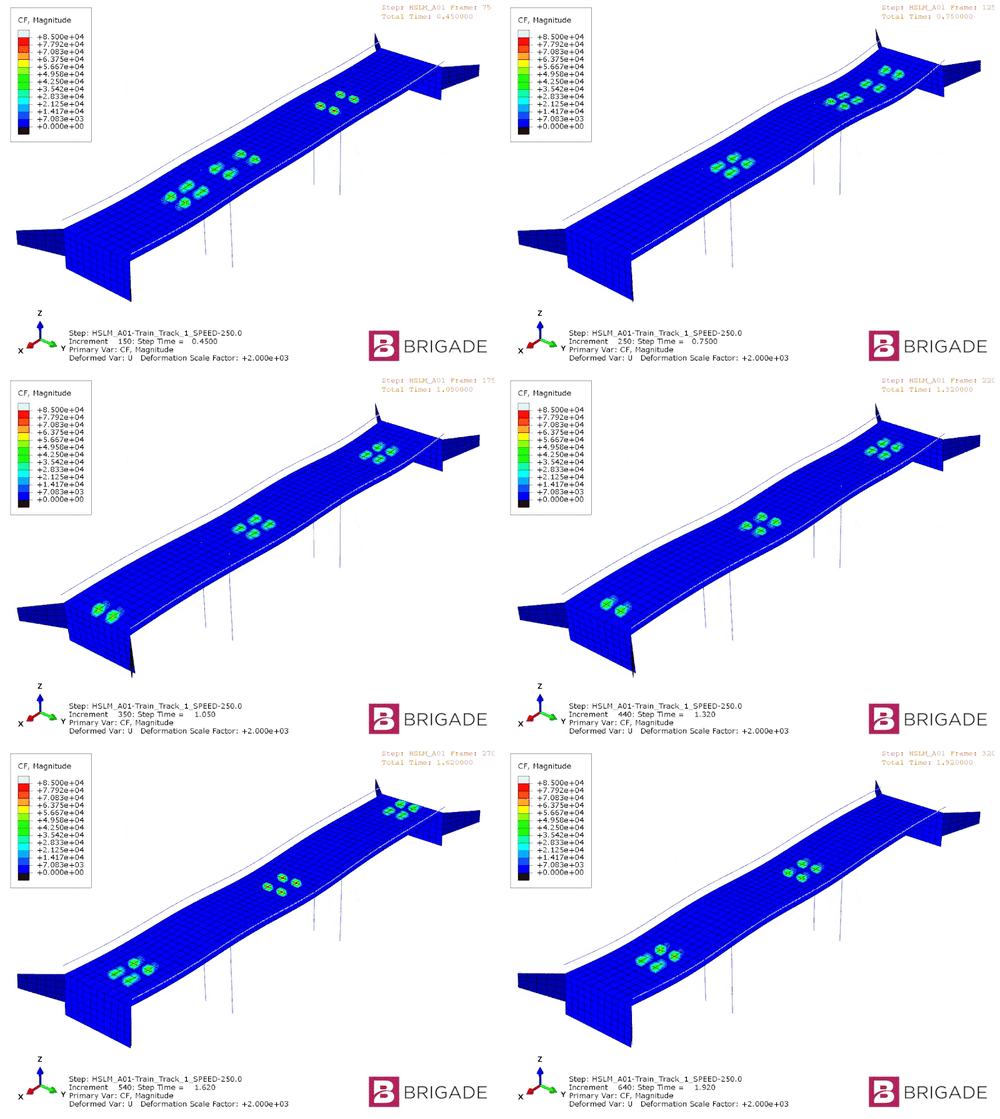 Advanced Simulation
Best Practices for Dynamic Analysis of Bridges
BRIGADE/Plus provides comprehensive tools for static and dynamic analysis of bridges under various load conditions, ensuring structural resilience.
Read more
 Advanced Simulation
New Year, New Fortran Compiler
Learn how to resolve compatibility issues between Abaqus and the Intel Fortran compiler after the discontinuation of ifort in 2025. This guide covers installation and setup for both Windows and Linux, helping you smoothly switch to the ifx compiler for user subroutine integration. Follow detailed instructions to modify environment files and install necessary toolkits, ensuring uninterrupted analysis performance.
Read more
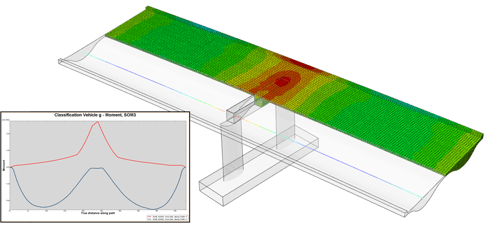 Advanced Simulation
Extended Free Body Cut
Discover the trade-offs bridge engineers face in balancing simplicity and accuracy in structural analysis. Learn how BRIGADE/Plus revolutionizes bridge design with the Extended Free-Body Cut (FBC) method, enabling precise calculations for complex geometries, moving loads, and detailed 3D effects. Explore how this advanced feature bridges the gap between traditional models and modern engineering demands. Stay ahead in bridge engineering with TECHNIA’s cutting-edge solutions
Read more
 Advanced Simulation
What's new in the v2025 release of the SIMULIA structures tools?
Welcome to 2025! Upgrade to Abaqus v2025 and explore the latest structural simulation tools with enhanced functionality and bug fixes. Don't miss the updates—watch our webinar for a feature overview!
Read more
 Advanced Simulation
Understanding Bridge Analysis
Bridge analysis is vital in civil engineering as it ensures the safety of structures by identifying potential weaknesses and vulnerabilities
Read more
 Advanced Simulation
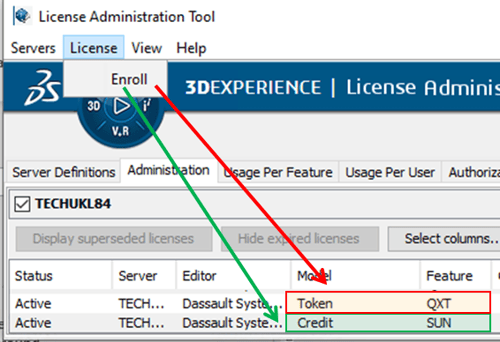
Pay-as-you-go Abaqus using consumable credits to access flexible solver power
Discover how Abaqus licensing has evolved with the introduction of consumable credits, offering users more flexibility and access to solver capacity. Learn how credits can supplement traditional tokens to maximize compute power and analysis throughput, and explore the simple steps to implement this powerful new option for managing high-demand projects.
Read more
 Advanced Simulation
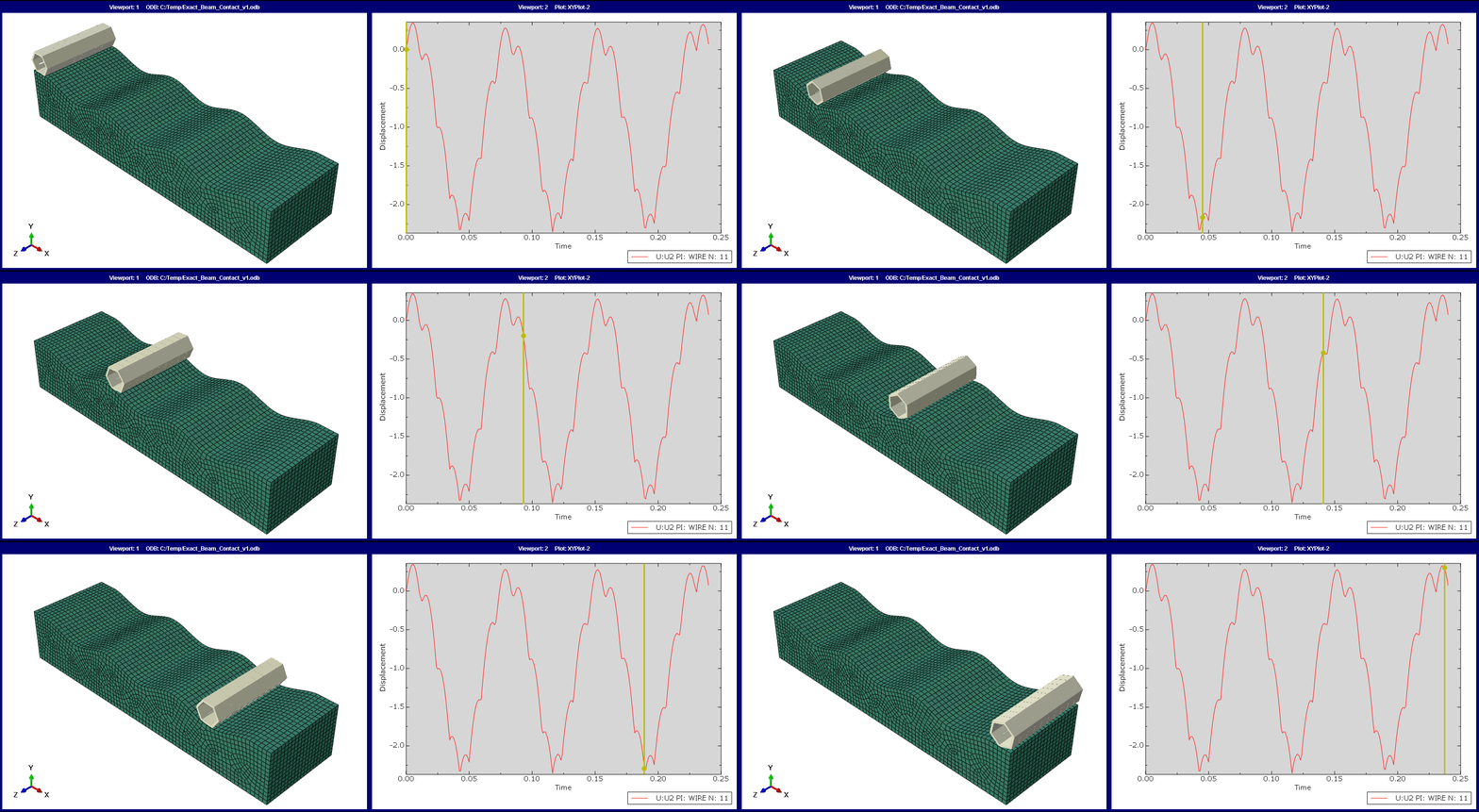
Exact beam contact
With recent advancements, Abaqus has significantly improved its ‘General Contact’ approach, enhancing functionality, robustness, and performance. Discover how the latest version, Abaqus 2023, simplifies defining contact interactions, such as using exact beam profiles for contact surfaces.
Read more
 Advanced Simulation
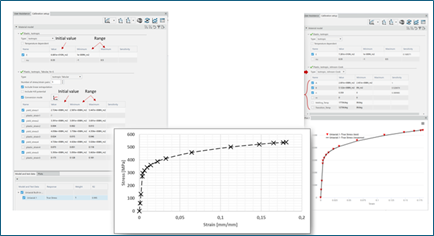
Material Calibration App
The 3DEXPERIENCE Platform Material Calibration app moves the simulation world forward by taking material calibration capabilities found inside the analysts' favorite interface (Abaqus/CAE) and moving them forward to expand and enhance the core process. .
Read more
 Advanced Simulation
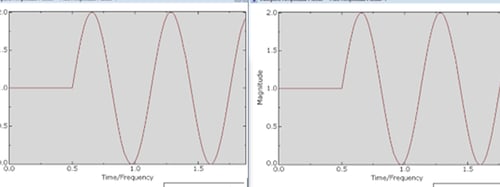
Amplitude Plotter
Discover how to visualize amplitude curves in Abaqus with the 'Amplitude Plotter' tool. This feature allows users to define and inspect complex variations, simplifying the workflow and ensuring accuracy without external tools like Excel. This hidden gem in Abaqus/CAE enhances the modeling experience.
Read more
 Advanced Simulation
Start Running EMC Simulations with CST Studio Suite
Electromagnetic compatibility (EMC) is not just a regulatory formality but a cornerstone of product reliability and market success. In this blog post, you can learn about the benefits of running EMC simulations with CST Studio Suite electromagnetic simulation software.
Read more
 Advanced Simulation
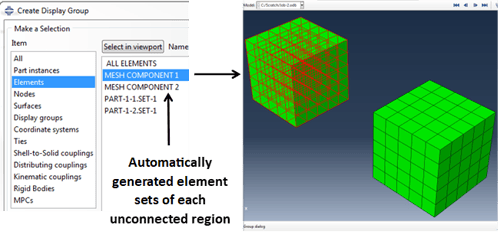
Visualizing Unconnected Regions in Abaqus Models
This blog delves into Abaqus as a versatile suite of finite element tools, highlighting its capability to tackle diverse structural problems with implicit and explicit solvers, along with providing extensive diagnostic support, while also explaining how certain functionalities like 'unconnected regions' can be accessed outside Abaqus/CAE for enhanced model validation and troubleshooting.
Read more
 Advanced Simulation
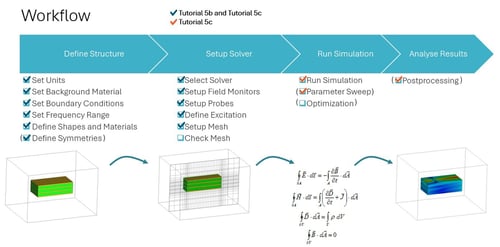
CST Studio Suite Python Scripting
Use Python to speed up your simulation workflow in CST Studio Suite.
Read more
 Advanced Simulation
What Can You Do with the Abaqus ODB Reducer/Builder Plug-in?
automatically installed since Abaqus 2021. The ODB Reducer/Builder plug-in is also available in historic releases, through text parameter inputs.
Read more
.gif?width=500&name=ViscoelasticoCreepModelling-ezgif.com-video-to-gif-converter%20(1).gif) Advanced Simulation
Advanced Simulation
Viscoelastic material model to capture the effects of creep in concrete
Viscoelastic concrete material models are crucial for predicting long-term structural behavior under sustained loads, temperature changes, and dynamic forces, especially in bridges.
Read more
 Advanced Simulation
Tyre Simulation for Snow Traction
unknown
Read more
 Advanced Simulation
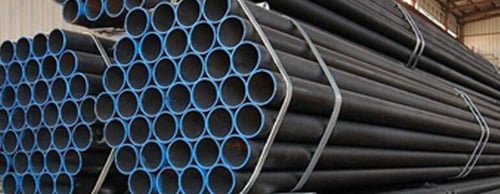
Transport Simulation of Steel Rod Bundles in Abaqus
This transport simulation has many contacts between the elastic bodies and considers a failure of the packaging straps at weld points
Read more
 Advanced Simulation
Simulating Geomechanics and Fracking with Abaqus
unknown
Read more
 Advanced Simulation
Engineering
Advanced Simulation
Engineering
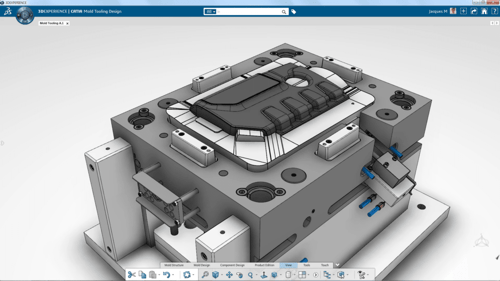
Plastic Injection Simulation
Discover how assistant-driven technology in 3DEXPERIENCE can streamline your process and improve results.
Read more
 Advanced Simulation
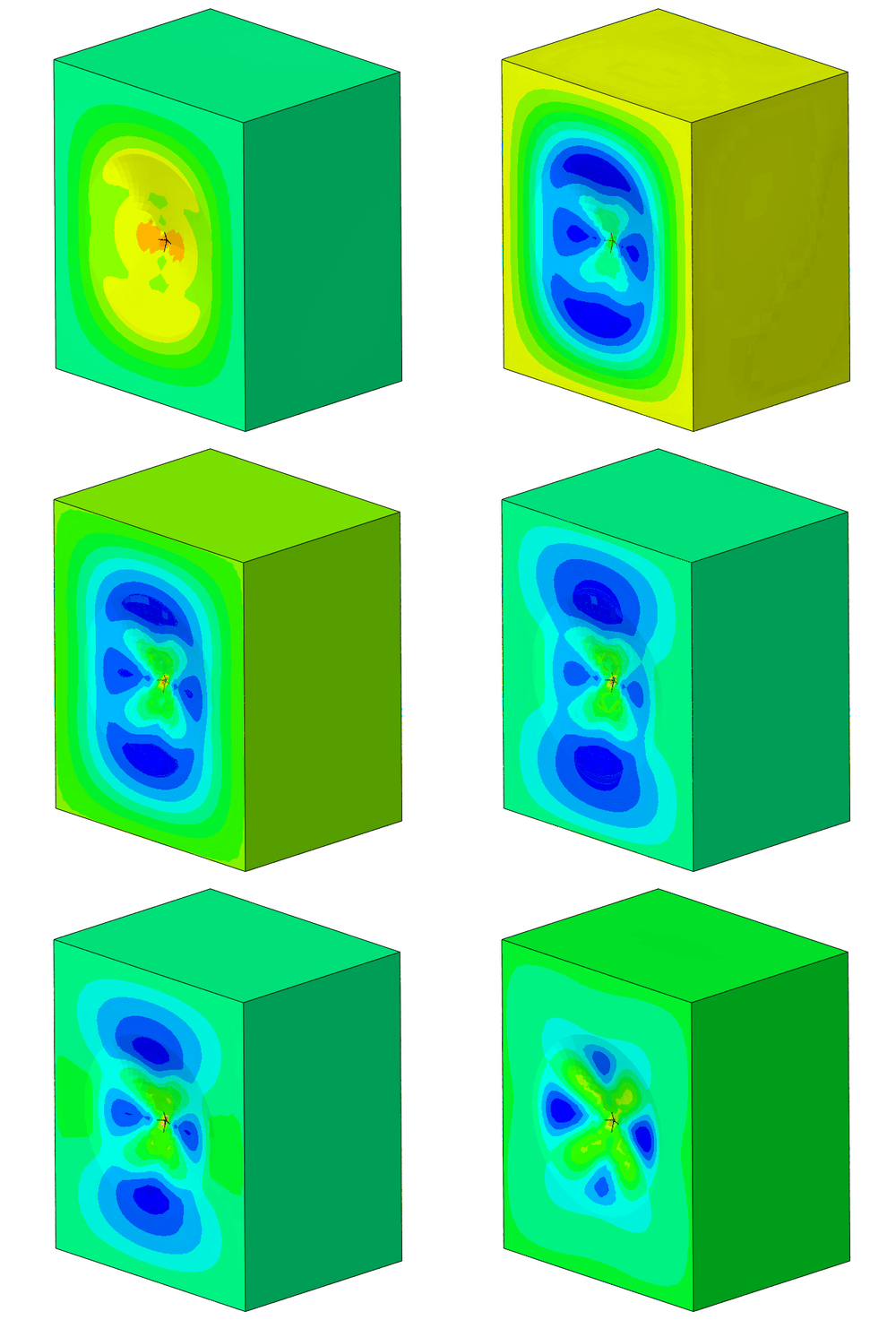
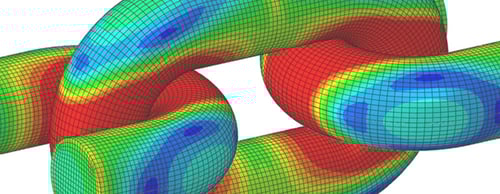
How to Choose Abaqus Colormaps
It's all too easy to misread, misinterpret, or miscommunicate statistical data. That's why data representation in simulation and analysis is so important - especially when writing an engineering report.
Read more
 Advanced Simulation
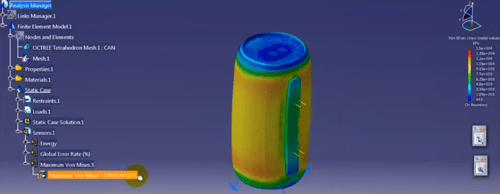
Generative Structural Analysis Applied for Design Optimisation
Design optimisation is the process of finding the best design parameters that satisfy project requirements. Optimisation of parameters, whether “minimisation”, “maximisation” or “approaching a target value” is an iterative process.
Read more
 Advanced Simulation
Drop Testing in Simulation Analysis
oijasdofisaodfg
Read more
 Advanced Simulation
Bioelectromagnetic Simulation with CST Studio Suite
Analyze the interaction of electromagnetic fields with the human body using CST Studio Suite
Read more
 Advanced Simulation
Abaqus Smooth Particle Hydrodynamics
oijasdofisaodfg
Read more
 Advanced Simulation
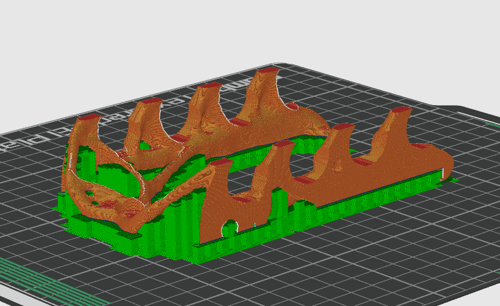
Practical Topology Optimization for 3DPrinting
Unlock the potential of Abaqus with our step-by-step guide on setting up and executing a condition-based topology optimization process.
Read more
 Advanced Simulation
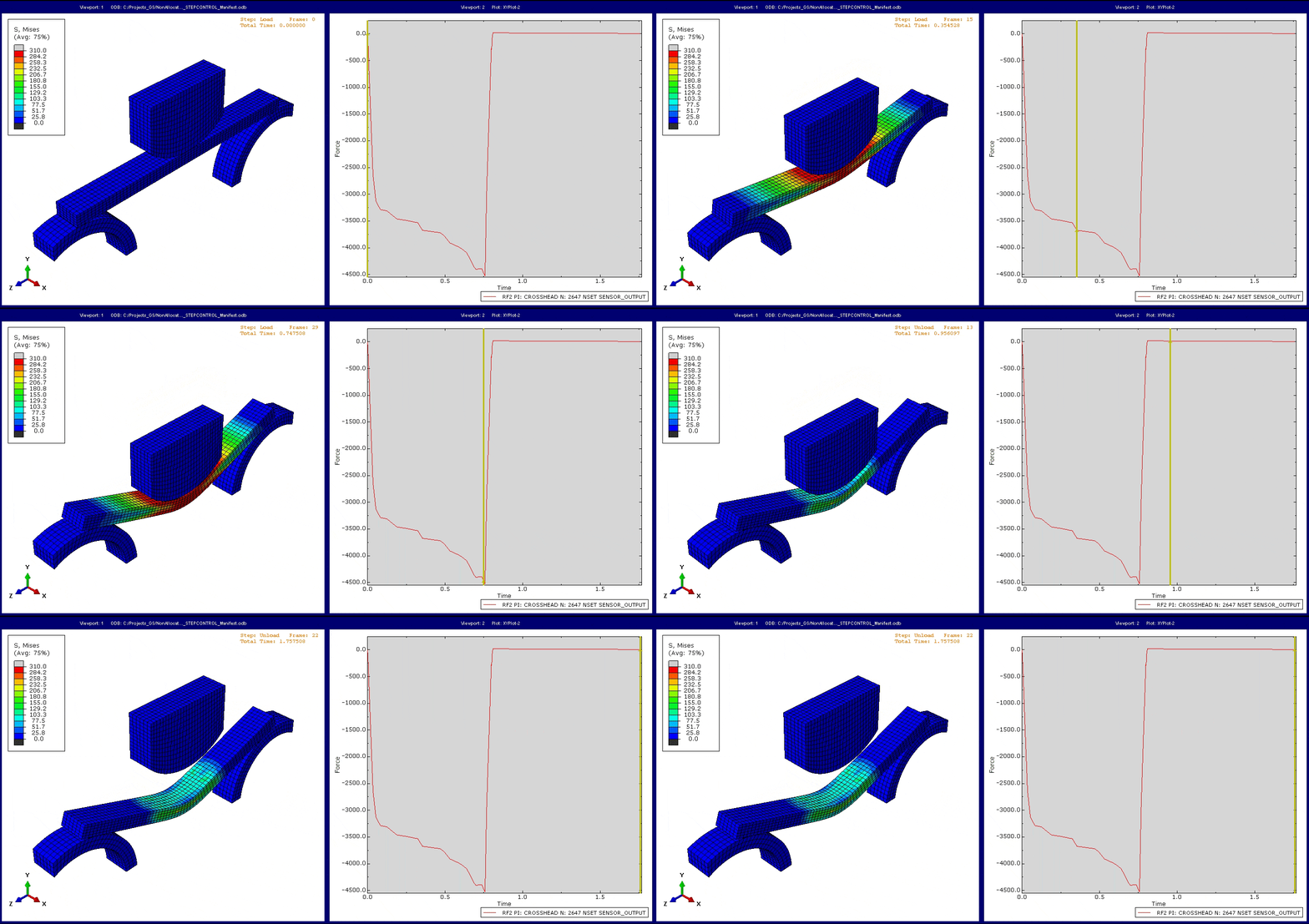
Beyond Subroutines in Abaqus/Standard
Typically, Abaqus tackles a set loading history defined by the user. But what if the final state of a step within the loading sequence can’t predetermine in advance of running the simulation? Now, Abaqus can self-determine when to end a step with native functionality, bypassing the need for intricate subroutines.
Read more
 Advanced Simulation
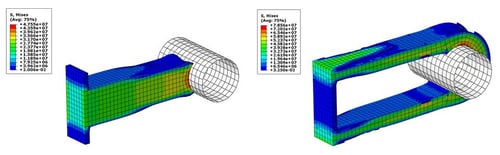
Non-Linear Optimization of a Connecting Lug with Tosca Structure
Learn how Tosca can easily handle optimization cases with non-linearities, including non-linear contact conditions.
Read more
 Advanced Simulation
Abaqus 2024: Python Upgrade for Scripters and Non-Scripters
In this post, we will look at some differences that are worth keeping in mind, and how to use the 2to3 tool to (mostly) convert your current scripts to Python 3 automatically.
Read more
 Advanced Simulation
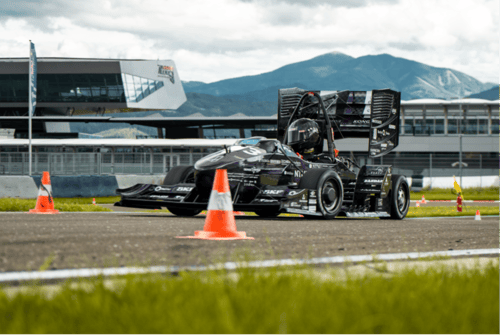
Simulation Driven Upright Development For a Formula Student Race Car
Guest blog: Simulation Driven Upright Development - For a Formula Student Race Car
Read more
 Advanced Simulation
What’s New in CST Studio Suite 2024?
Discover the latest features and updates in the latest release of CST Studio Suite 2024
Read more
 Advanced Simulation
How to Install CST Studio Suite and Antenna Magus Learning Editions
In this blog we'll give you step-by-step instructions on how to install software for electromagnetic simulation: CST Studio Suite and Antenna Magus Learning Editions
Read more
 Advanced Simulation
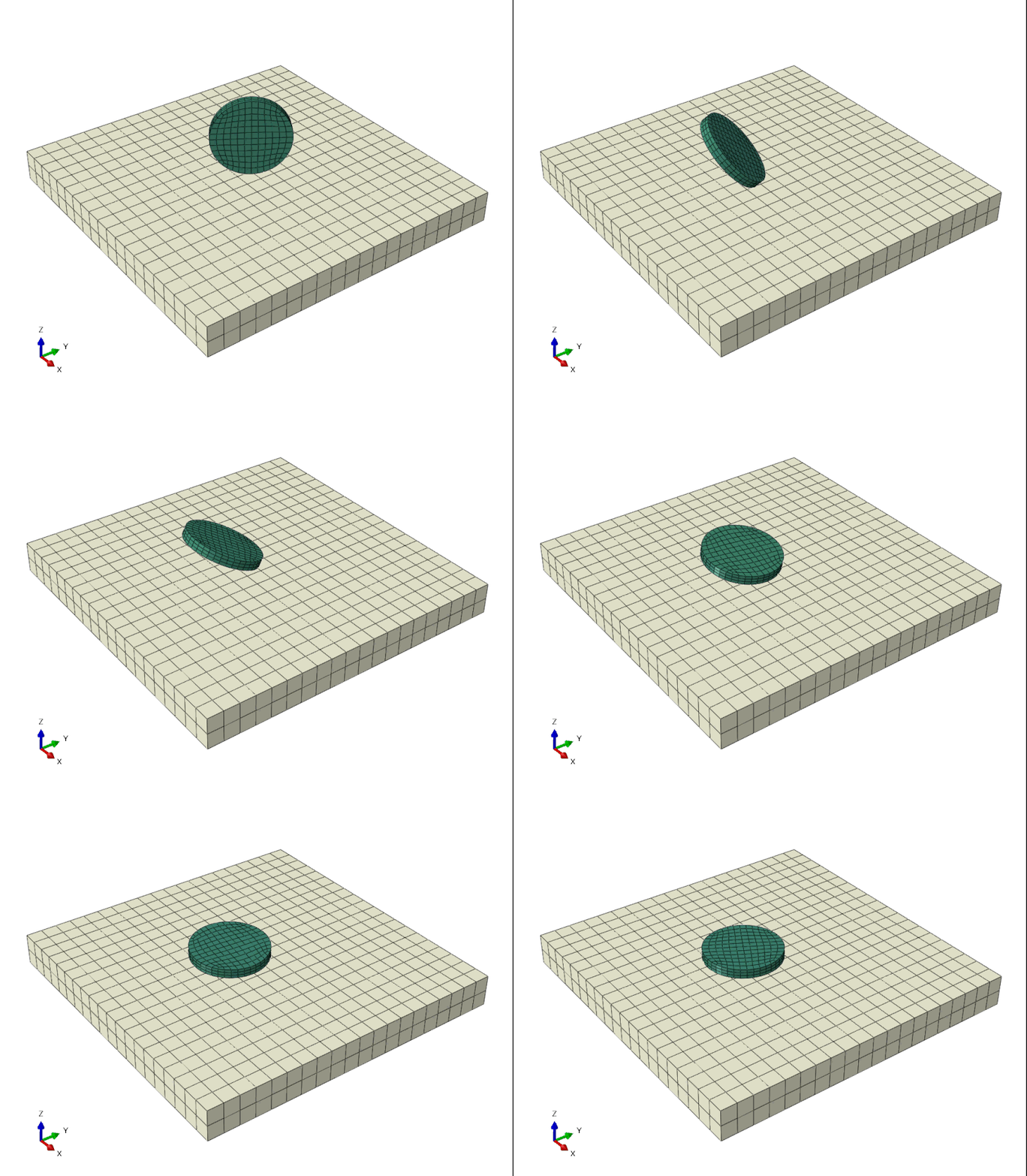
Versatility and Strength of General Contact Across Both Abaqus/Standard and Abaqus/Explicit Solvers
Go beyond automated simulations to understand the dynamics of interaction types using general contact in Abaqus/Standard
Read more
 Advanced Simulation
Reading and Writing Excel Formats with Abaqus Python
This post will still be confined to the native python installation shipped with Abaqus 2023 and how to work with Excel documents.
Read more
 Advanced Simulation
Dental Implant Structural Performance Study
This blog explores the use of the 3DEXPERIENCE platform to simplify the collaboration between design and simulation engineers in the field of dental implantology to increase the probability of a successful treatment.
Read more
 Advanced Simulation
MBSE
Advanced Simulation
MBSE
Dymola and Modelica library (toolbox) licensing options
Learn about Dymola and Modelica library licensing, from perpetual and leased options to network licences, renewals, and academic bundles.
Read more
 Advanced Simulation
Structural Analysis and Design with BRIGADE
Whether you're working on standard bridge designs or complex, custom structures, BRIGADE has you covered.
Read more
 Advanced Simulation
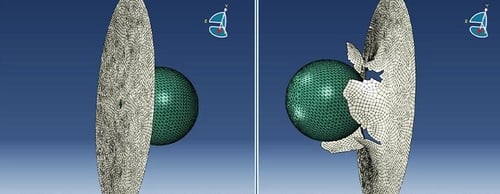
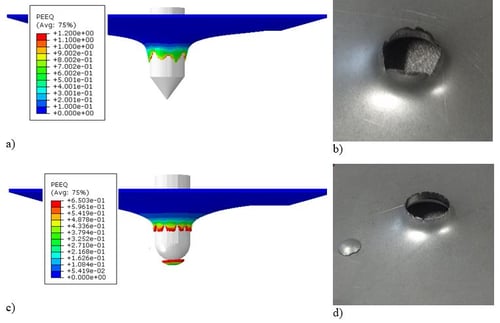
Simulation of the Ballistic Behaviour of the Thin Steel Plate in Abaqus/Explicit
This Technology Brief presents the results of a numerical simulation of the perforation of a thin steel plate by a rigid projectile in Abaqus/Explicit.
Read more
 Advanced Simulation
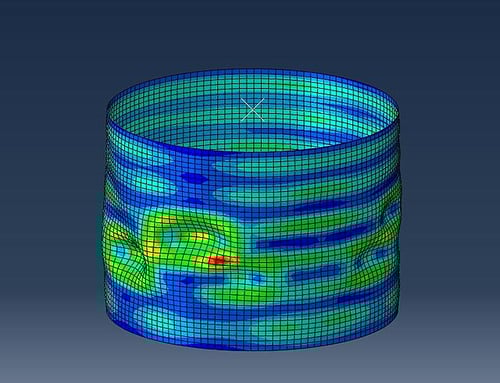
Modeling Buckling, Post-buckling, and Imperfections with Abaqus FEA
In our recent Blog we will describe the possibilities to perform Buckling analysis in Abaqus. Read more about Linear Buckling, Imperfections & Riks Analysis.
Read more
 Advanced Simulation
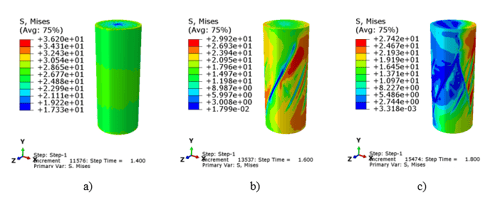
Simulation of the concrete compression in Abaqus/Explicit using CDP model
This blog discusses simulation of the concrete compression in Abaqus/Explicit using CDP model.
Read more
 Advanced Simulation
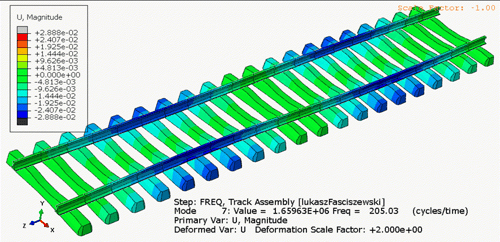
What is Simpack?
This blog discusses the how Simpack provides all required tools to perform Multi-Body simulations - ergonomic interface and high-end class solvers.
Read more
 Advanced Simulation
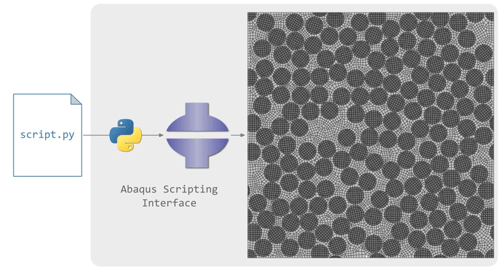
Discover the Power of Abaqus Scripting With Python
In this article, we will discuss the advantages of using Python scripts in Abaqus for finite element analyses compared to doing it manually and explain the impact of using Python scripts in the numerical simulation pipeline.
Read more
 Advanced Simulation
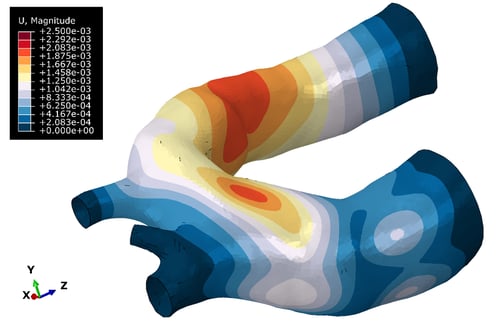
Abaqus Co-simulation with XFlow
Using multiphysics simulations allows the interaction between different physical phenomena to be captured
Read more
 Advanced Simulation
MBSE
Advanced Simulation
MBSE
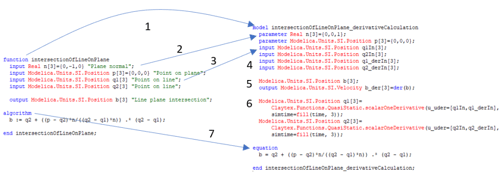
Create a derivative function using Dymola
Learn how to calculate the derivative of a function in Dymola using a practical example, including generating derivative algorithms and optimising the resulting code.
Read more
 Advanced Simulation
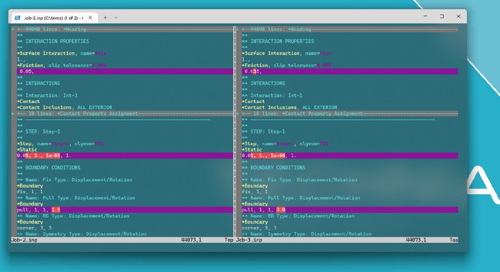
Tips for Running Abaqus Jobs on a Server
This blog highlights some of the commands and functions that are useful when working on a shared Linux server. Some of these commands will still be useful on a windows platform.
Read more
 Advanced Simulation
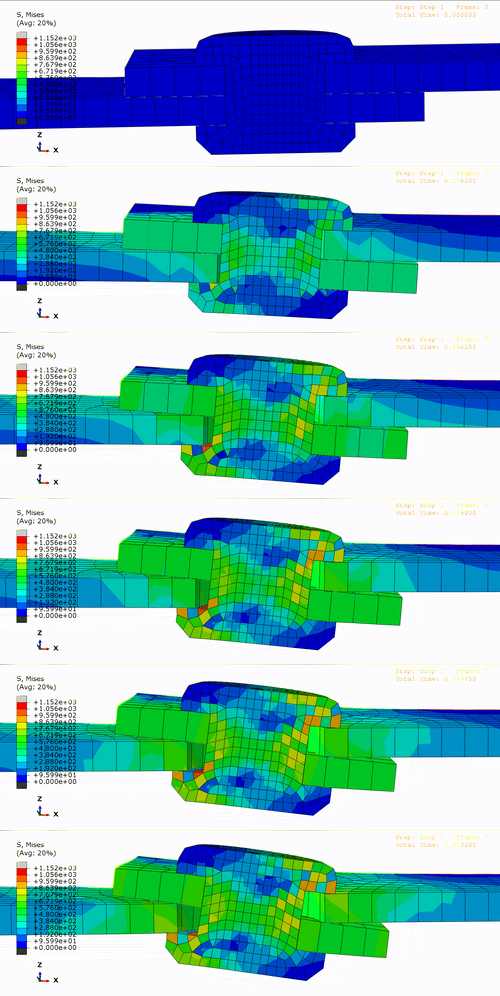
How to Save and Export Animations in Abaqus for Powerpoint
This blog shows how to create videos for PowerPoint presentations with Abaqus/CAE.
Read more
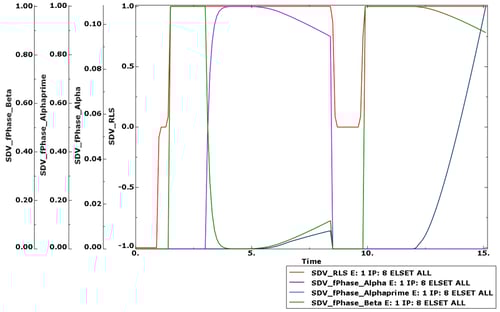 Advanced Simulation
Additive Manufacturing Simulations in Abaqus
This blog discusses the how the Abaqus functionalities allow for realistic simulations of a wide range of additive manufacturing processes.
Read more
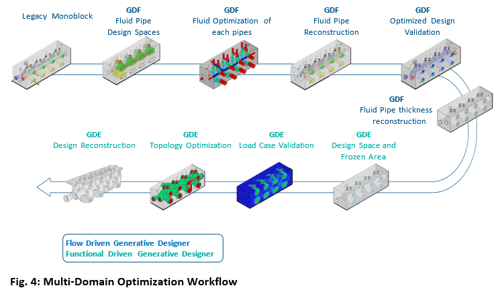 Advanced Simulation
Optimizing Design Processes for Sustainability with Generative Design
This blog illustrates the redesign of a hydraulic manifold with an almost 40% percent average improvement in pressure drop and 80% savings in mass.
Read more
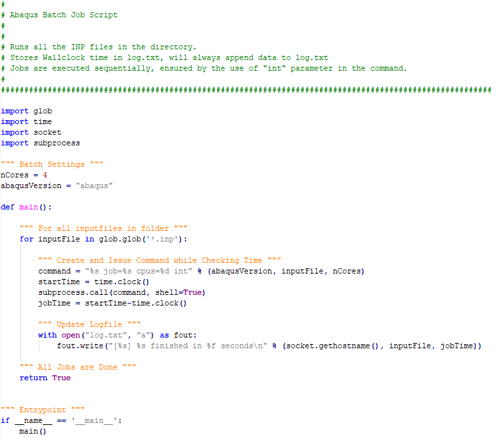 Advanced Simulation
Running Batches of Jobs with Abaqus Python
A useful python script that can be modified to include more features. Based on built-in functionality, no additional installation or investment needed.
Read more
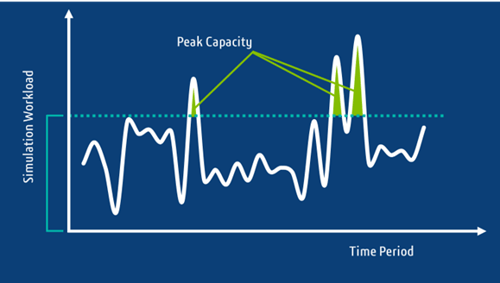 Advanced Simulation
Flexible Licensing Using Abaqus Credits
Björn Lundin explains the option of Abaqus Credits as a more flexible license solution when there is sudden need for additional solving capacity over a brief time period.
Read more
 Advanced Simulation
Customizing your Abaqus 2022 environment with Python
NEW Blog | Customizing your Abaqus 2022 environment with Python. Discover the powerful opportunities to accelerate your day to day tasks!
Read more
 Advanced Simulation
Two Ways to Get Geometry From an Orphan Mesh in Abaqus
Abaqus offers tools to create geometry based on a mesh. Here I discuss two options: using the mesh-to-geometry plug-in and using the built-in tools.
Read more
 Advanced Simulation
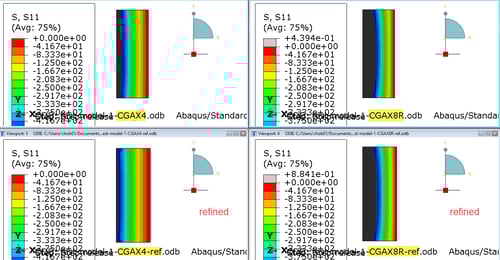
Why It's Good to Understand What Your FE-Solver Is Doing
In this blog Christine Obbink-Huizer explores a customer support question problem discussing why it is good to understand what your FE solver is doing (and how you can become more knowledgeable as well!).
Read more
 Advanced Simulation
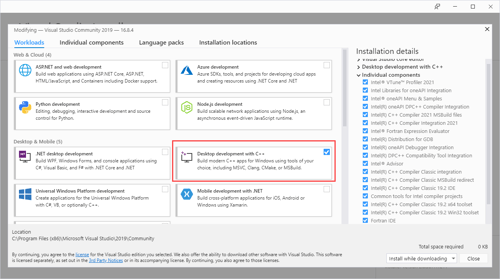
Free Fortran Compiler on Windows for Abaqus Material Modeling
In this blog we'll show how to install a freely available fortran compiler and link it to Abaqus to do material modelling with user subroutines.
Read more
 Advanced Simulation
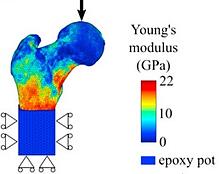
Simulating Crack Initiation and Propagation in Abaqus Using XFEM
In conventional FEM methods for crack propagation, the initial crack location needs to be predefined. This is not necessary when using eXtended Finite Element Method (XFEM). In this blog post I thought we would take a small dip into modelling fracture and failure in Abaqus using XFEM.
Read more
 Advanced Simulation
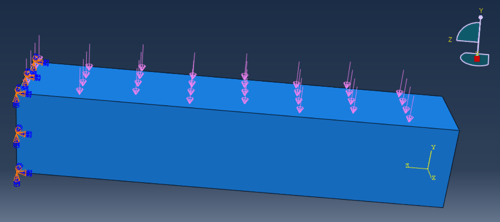
Abaqus Python Scripting: How Difficult Is It?
Scripting in Abaqus is a powerful way to reduce (wo)manhours and ensure a consistent method is used. Previously, we have given an example of postprocessing and tips on getting started. This blog discusses the kinds of problems that are easy or more challenging to script by using examples.
Read more
 Advanced Simulation
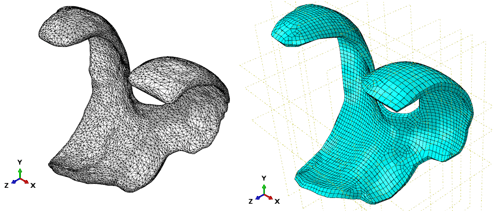
Meshing Complex Geometries in Abaqus
Geometry import and meshing is one of the key areas where we as FE analysts can spend a lot of time and effort. For meshing in particular, using hexahedral elements to mesh complex part can be difficult. In this blog we’d explore one way to obtain a hexahedral mesh for two relatively difficult parts.
Read more
 Advanced Simulation
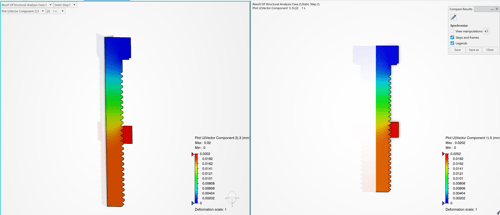
Axisymmetric Analysis: Abstraction Shapes and FEM Reps
In Abaqus there is a direct relationship between geometry and the final meshed shape: if we want to defeature or do an axisymmetric analysis, the geometry needs to be modified. On the 3DEXPERIENCE platform, this is not the case. The geometry can remain unchanged. Discover more in the latest blog from Christine Obbink-Huizer.
Read more
 Advanced Simulation
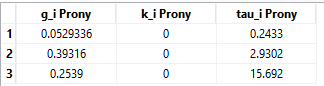
Hyperelasticity and Viscoelasticity in Abaqus
In this blog I thought we could do a small dive into hyper- and viscoelastic materials and how to model these in Abaqus.
Read more
 Advanced Simulation
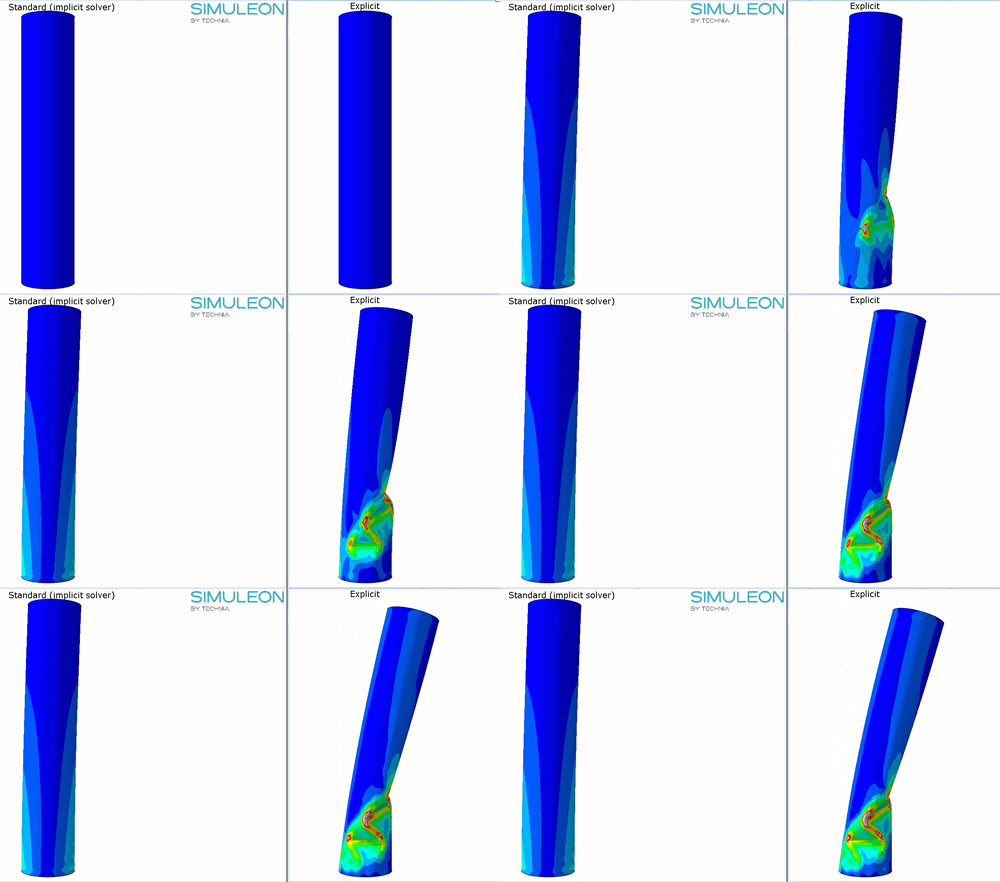
Implicit Vs Explicit Finite Element Analysis: When to Use Which
Which finite element solver to use: implicit or explicit? Solver type influences the set of equations, availability of features, run time and even if a solution is found.
Read more
 Advanced Simulation
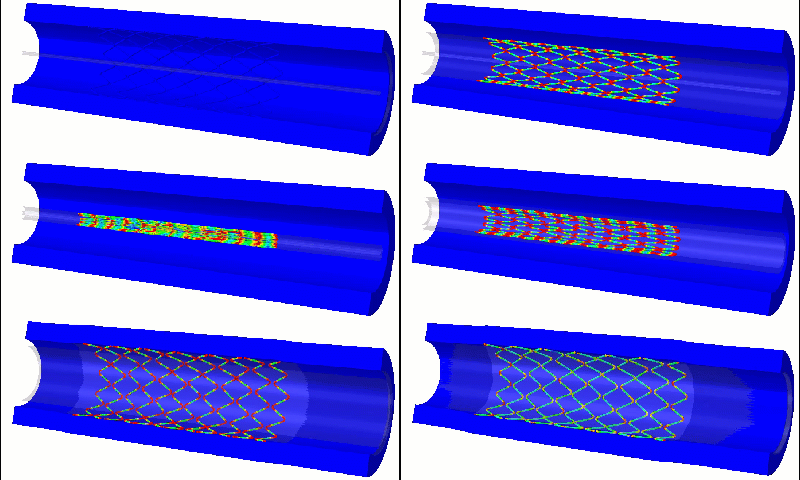
Stent Analysis in Abaqus
Finite element analysis of stents is challenging. It typically involves small structures, large deformations, complex contact conditions and intricate material definitions. What can Abaqus offer for this type of analysis? In this blog we will find out.
Read more
 Advanced Simulation
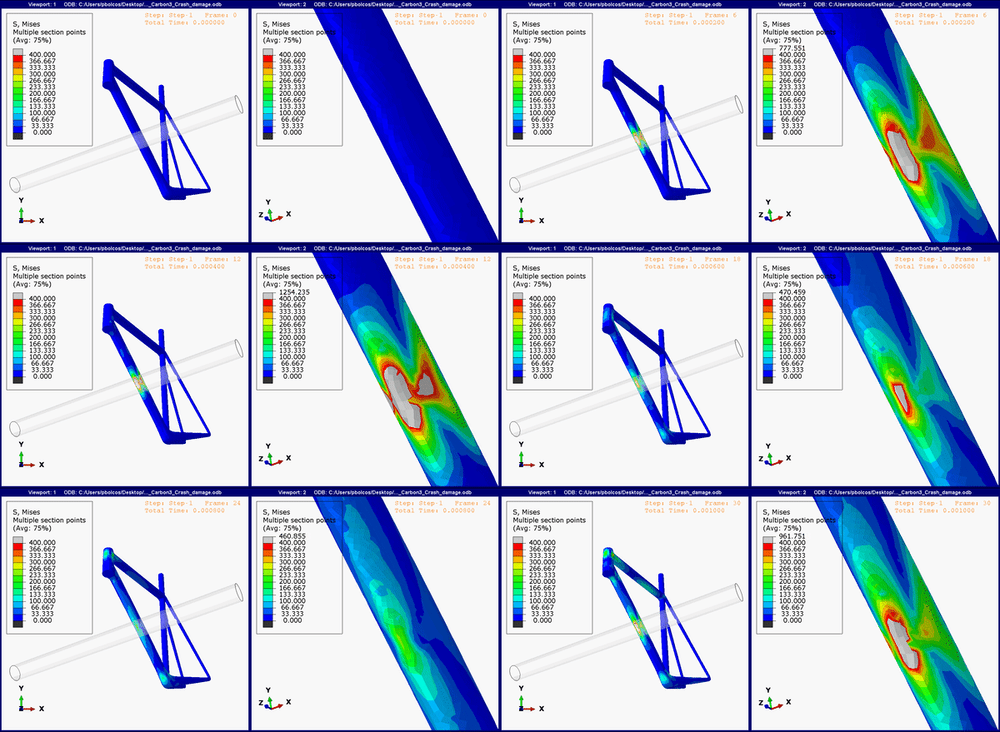
Simulating Composite Materials in Abaqus: A Case Study on Bike Frames
In this blog I explore material choice for bike frames. The choice between aluminum, titanium, steel or carbon fiber is mainly related to the weight of the frame, but what about the loading? In this blog, I will simulate each frame, including the composite one, in Abaqus/Explicit.
Read more
 Advanced Simulation
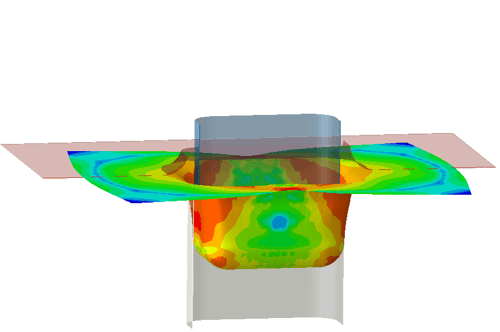
Deep drawing: iterative design with Abaqus
In this blog we'll simulate deep drawing, a sheet metal forming process performed with SIMULIA Abaqus software. Several design iterations are analysed.
Read more
 Advanced Simulation
Parametric or Non-Parametric Optimization
In this blog we revisit the topic of Optimization, by comparing parametric optimization in SIMULIA Isight and non-parametric optimization in SIMULIA Tosca.
Read more
 Advanced Simulation
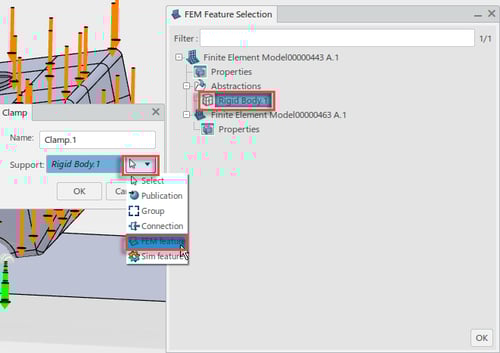
Getting Started with a Tank Droptest
In this blog we’ll do an FSI droptest – on the 3DEXPERIENCE Platform. Doing it on the platform will give an idea of its user interface and capabilities.
Read more
 Advanced Simulation
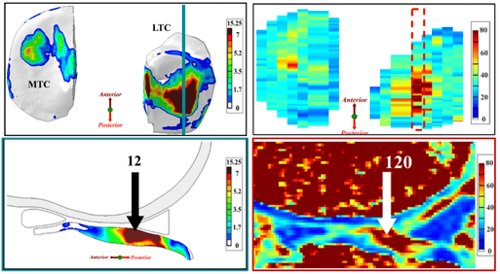
Quality Checking Your FEA Model
In this blog I explore the age-old question facing most FEA analysts: Is my model good enough? With examples from my PhD in knee joint biomechanics.
Read more
 Advanced Simulation
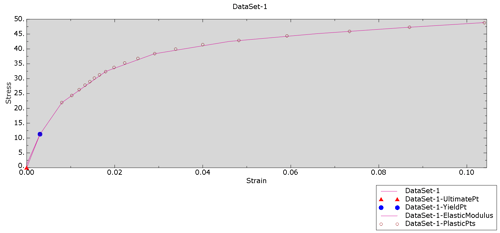
Top Load Analysis Revisited: The Importance of Material Data
In this blog we'll take a look at the impact of using limited material data on the limit load in a top load analysis performed with Abaqus. Read more.
Read more
 Advanced Simulation
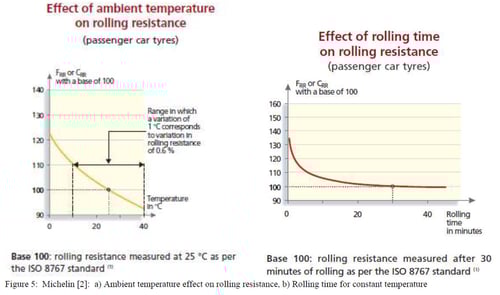
Calculating Rolling Resistance with a Parametrical Equation
In this blog we have invited Per Landeback as a guest for our blog. Per has developed a Parametrical Equation to calculate Rolling Resistance of a car tire
Read more