
 Advanced Simulation
Most bridge engineers face the same question sooner or later:
Should we use specialized bridge software, or a fully flexible FEA platform?
Specialized bridge tools promise faster workflows and built-in compliance with design standards, while general FEA platforms offer virtually unlimited modelling freedom.
Bridge engineering projects vary widely in complexity, and different tools support different ways of working. Some teams prioritize speed, repeatability, and automated load handling, while others require the flexibility to model unconventional structures or advanced structural behaviour.
Understanding the strengths and limitations of these two approaches is essential when selecting the right analysis environment.
Strengths and limitations of general FEA platforms
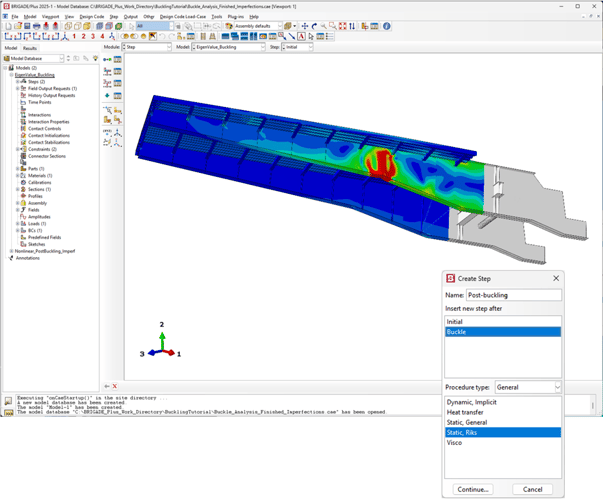
General FEA platforms are built around maximum modelling freedom. Engineers can model virtually any geometry, from unconventional girder arrangements to complex staged construction sequences. Advanced structural behaviour, such as nonlinear materials, dynamic effects, soil–structure interaction, etc, can also be incorporated when needed.
This flexibility makes general FEA tools particularly valuable for complex or non-standard bridge projects. When the structure falls outside traditional typologies, or when advanced analysis methods are required, the open modelling environment becomes a powerful advantage. One well-known example of such a platform is Abaqus, widely used across many engineering disciplines.
However, this flexibility also shifts much of the responsibility onto the user. Traffic loads must be implemented correctly according to Eurocode or national standards. Load combinations often need to be generated through custom routines or scripts, and result processing workflows must be carefully defined to ensure traceability and consistency.
In many organizations, the challenge lies not in performing the structural analysis itself, but in establishing reliable workflows that transform raw FEA results into code-compliant engineering outputs. Without well-defined procedures, the flexibility of a general FEA environment can introduce risks related to repeatability, documentation, and quality assurance.
Strengths and limitations of specialized bridge tools
Specialized bridge software takes a different approach. Instead of providing a completely open modelling environment, the software embeds bridge engineering logic directly into the workflow.
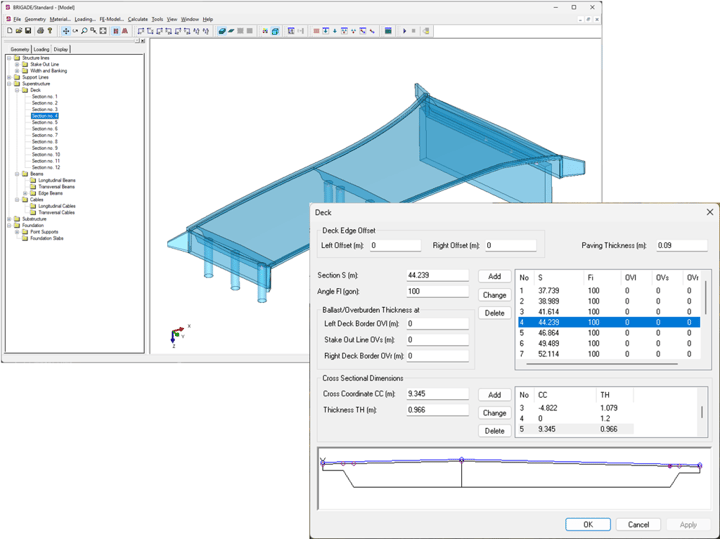
Bridges are typically defined parametrically through stake-out lines, span configurations, cross-sections, deck geometry, and support conditions. From these inputs, the software generates the structural model. In addition, these software most often also include predefined loads and analysis steps and load combinations required for bridge design.
Permanent loads, moving traffic loads, temperature effects, and load combinations are usually handled automatically according to relevant design standards. Results are presented in familiar engineering formats such as envelopes, governing ULS/SLS combinations, and section forces for design verification.
This approach can significantly shorten the path from geometry definition to design-ready results. It also reduces the risk of manual errors and allows engineers to focus more on interpretation and design decisions rather than modelling procedures.
However, specialization naturally introduces certain limits. While most bridges follow standard typologies, unusual structures with complex geometries or unique support conditions may require modelling capabilities beyond what specialized tools are designed to handle.
In those situations, engineers often need the openness and modelling control provided by a general FEA environment.
Two complementary approaches in the BRIGADE suite
These two philosophies are reflected directly in the BRIGADE software suite.
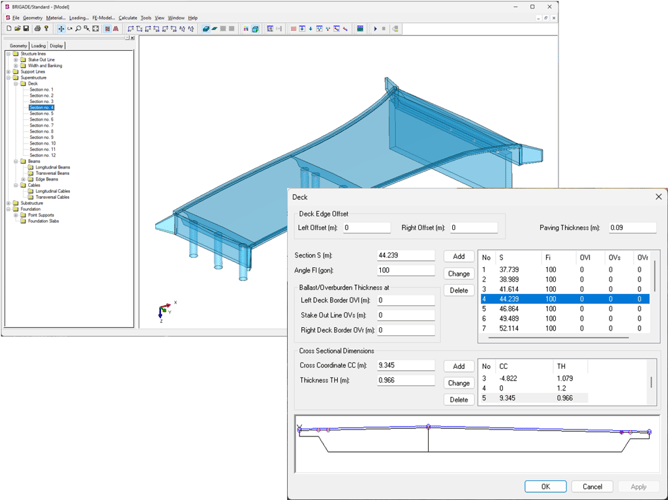
BRIGADE/Standard represents the specialized bridge analysis approach. The software is designed specifically for typical bridge types and provides a streamlined workflow where bridge geometry is defined parametrically and key load case - such as traffic loads and load combinations - are handled automatically according to design standards. This allows engineers to move efficiently from geometry definition to design-ready results while maintaining a transparent and traceable analysis process.
BRIGADE/Plus, on the other hand, represents the more flexible FEA-driven approach. It provides a powerful general finite element modelling environment where engineers can generate geometry freely and build highly customized models when needed.
At the same time, BRIGADE/Plus integrates several bridge-specific modules that address the most demanding parts of bridge analysis. These include capabilities for handling traffic loads, generating load combinations, modelling prestressing systems, and other bridge-specific analysis tasks.
This combination creates a workflow where engineers benefit from the modelling flexibility of a general FEA platform while still relying on specialized bridge functionality where it matters most.
Matching the tool to the project
Across the bridge engineering industry, two typical user profiles often emerge.
Teams working primarily with conventional bridge typologies tend to prioritize speed, transparency, and reliable code automation. Their biggest challenge is often production efficiency, delivering consistent analyses across many projects within tight schedules.
Other teams frequently deal with complex structures, where modelling flexibility and advanced analysis capabilities become critical. In these environments, engineers often develop scripting workflows and customized modelling strategies to adapt the analysis process to each unique project. These teams are not limited to complex structures, they can tackle the more conventional bridge structures as well with the same approach.
Neither approach is inherently better than the other. They simply address different engineering realities.
For many organizations, the most robust solution is not choosing one philosophy over the other, but combining both approaches, using specialized tools for efficient routine analysis while relying on flexible FEA modelling for more demanding structures. Sometimes it is due to the variety of projects, sometimes it is because different engineers are more comfortable with either alternative.
How have other companies solved this?
Many engineering organizations have already faced this exact dilemma, and their choices reflect just how different real-world bridge projects can be.
Some companies prioritize speed and standardization to efficiently deliver large volumes of conventional bridge projects. Others rely on flexible FEA-driven workflows to tackle complex geometries, advanced analysis methods, or highly customized structural investigations.
Several of TECHNIA’s customers have shared how they use BRIGADE/Standard and BRIGADE/Plus together to balance efficiency with flexibility, and why BRIGADE became part of their engineering workflow.
If you are curious to see how different companies approached this challenge in practice, we recommend exploring the following customer stories. Click on the images below to read more about how SWECO, ELU and WSP use the BRIGADE software suite across thier organisations.
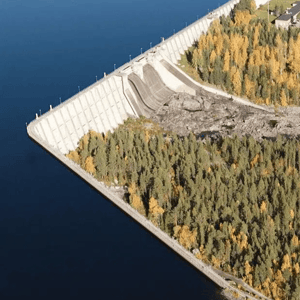
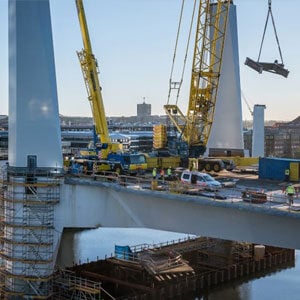
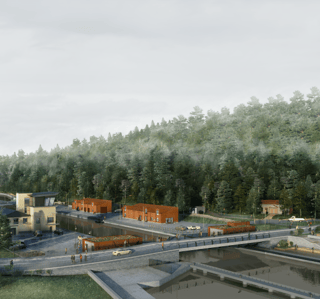
Their experiences offer valuable insight into how engineering teams align their analysis tools with their project portfolios, internal workflows, and long-term ambitions.
Curious which path fits your team?
Whether your priority is workflow speed, code-aligned modelling, or the ability to perform advanced tailor-made analyses, the right solution depends on your engineering context.
With both BRIGADE/Standard and BRIGADE/Plus, bridge engineers can choose the approach that best fits their projects, or combine both to build a workflow that supports everything from everyday production to advanced structural analysis.
Contact the BRIGADE Team to get your pilot project started and find out which alternative that suits your team best.

 MBSE
MBSE