A common phrase heard in engineering and product development is that “software and training are expensive.” But this statement often overlooks a fundamental truth: the cost must be evaluated relative to the time saved, errors avoided, and the efficiency gained by using the right tools and being properly trained to use them.
In reality, software and training often pay for themselves rapidly, sometimes within weeks, when used correctly. The real question isn’t “Is the software expensive?” but rather:
- Have you purchased the most suitable software for the job?
- Are your engineers using it efficiently, with the right skills and support?
- Have you considered the full impact of targeted, expert training?
Let’s break down why these factors matter and how they influence the true cost of software and training.
1. Choosing the right software for the job
Selecting the correct software immediately changes the equation. With the right tool and just a few days of focused training, teams can dramatically reduce development time and improve design quality.
Calculating the ROI of the Right Tool
When selecting software, it’s important to estimate:
- How much faster can you reach a validated design solution?
- How much testing cost can be reduced or avoided?
- How much engineering time is saved each month?
Physical Testing vs. Virtual Testing: Cost Comparison
A typical physical test programme might include:*
- 1 fitter for two weeks to install part variants and instrumentation: ~£1,800
- An engineer managing vehicle prep and sourcing parts: £3,000–£10,000
- Vehicle transport to the facility: ~£1,000
- Test cell setup engineers (1–2): £500–£900 per shift
- Engineers sitting in the vehicle during tests: £500–£800 per shift
- Wind tunnel hire: £4,500+ per shift
- Extra repeat tests for variability: 2 × £4,500
- Potential void tests due to sensor or logging failures
This can easily reach tens of thousands of pounds for just one round of “what‑if” evaluations.
With simulation, however, a single trained engineer can run countless scenarios at the push of a button, enabling:
- Boundary condition variations
- Soak temperature changes
- Control strategy optimisation
- Component swaps
- Refrigerant and glazing studies
Your £30,000 software + £1,500 training investment suddenly looks extremely modest.
*Note: Labour and facilities costs have likely increased at a faster rate than software and training costs since this document was originally written
1a. If you’re still evaluating software
Ensure the evaluator:
- Has sufficient experience and technical background
- Is supported by management
- Avoids basing decisions on assumptions
- Sets clear evaluation targets
- Uses all available advice from the software supplier
Otherwise, there is a high likelihood of choosing the wrong tool based on flawed conclusions.
2. Engineering efficiency and support matter
Buying good software isn’t enough, your team must know how to use it effectively.
Engineers need:
- Solid understanding of the physical principles behind the system
- The ability to construct representative model architectures
- Awareness of past mistakes (“bad CAE experiences”) to avoid repeating them
- Proper guidance, mentorship, and internal support
Poorly built or unrepresentative models result in:
- Incorrect outputs
- Non–scalable models‑scalable models
- Loss of trust in CAE
In contrast, well supported, enthusiastic engineers trained in best practices can transform software into a major competitive advantage.
3. The real impact of training
Training is often dismissed as unnecessary, yet it is one of the highest ROI activities available.
A professional software package inevitably includes:
- Powerful capabilities
- Wide toolsets
- Advanced workflows
Without training, new users:
- Spend weeks or months self-learning
- Miss best practices and efficiency shortcuts
- Develop inefficient or incorrect workflows
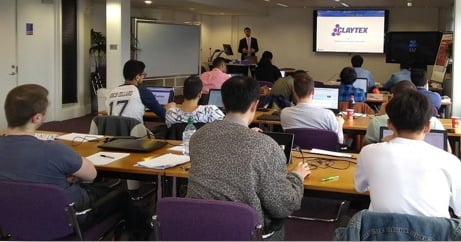
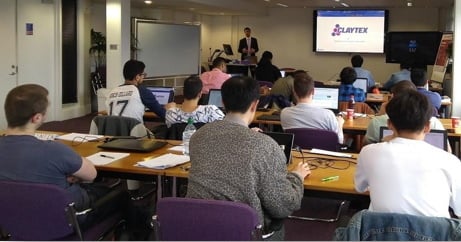
With training-even a 2‑day session-users can:
- Become productive immediately
- Avoid common pitfalls
- Shorten model development cycles
- Reduce simulation run times
- Apply consistent methodologies across teams
The result? Faster ROI, improved simulation reliability, and better engineering decisions.
Conclusion. What is the real cost??
When evaluating the “cost” of software and training, look beyond the purchase price. Consider:
- How much time it will save
- How much physical testing it can replace
- How quickly trained engineers can deliver results
- How much better the outcomes will be with the right methodology
Training an engineer on a new tool may seem time consuming compared to sticking with less efficient legacy methods, but the long-term benefits far outweigh the short-term effort.‑term benefits far outweigh the short‑term effort.
With the right mindset and proper evaluation, you’ll see that software and training are not costs, they are high return investments.
Written by: Alessandro Picarelli – Engineering Director
*Note: Labour and facilities costs have likely increased at a faster rate than software and training costs since this document was originally written